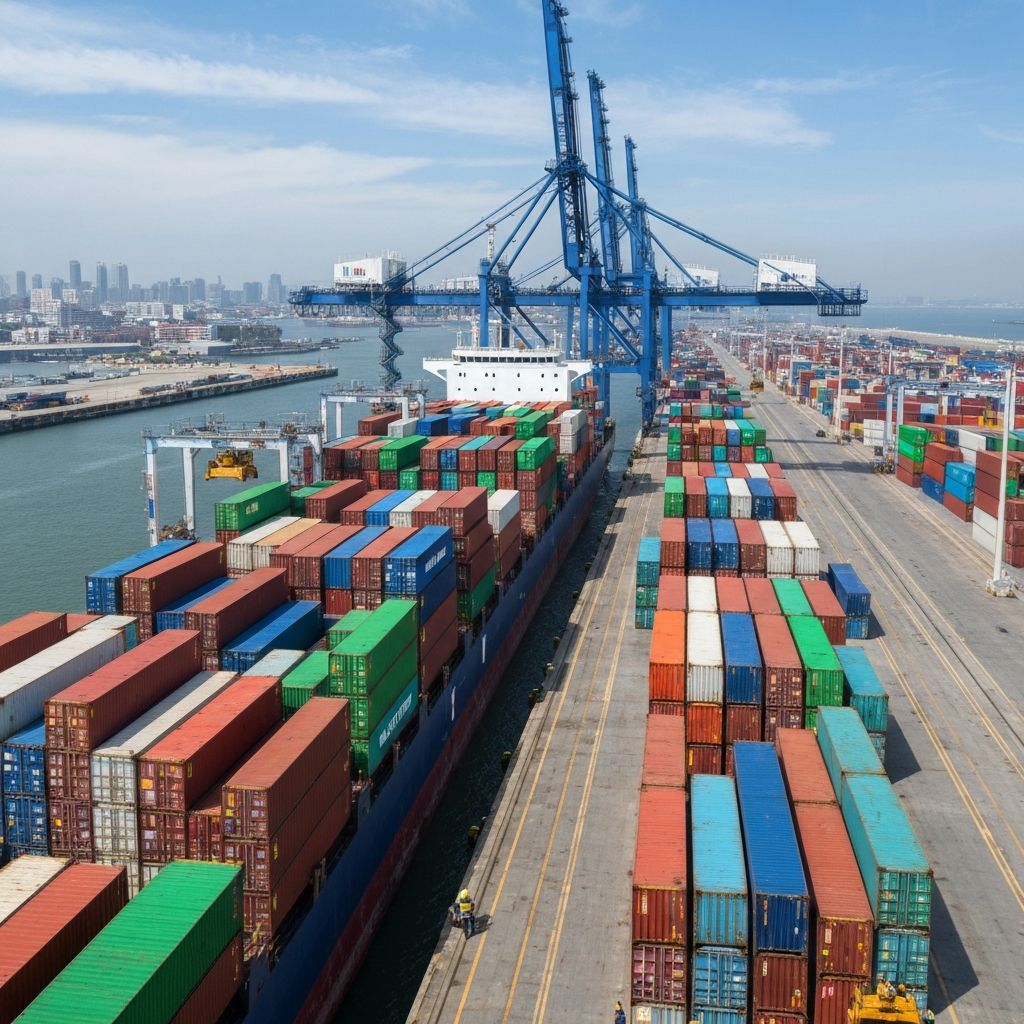
Introduction to Ocean Freight
Ocean freight is one of the most cost-effective and reliable modes of transportation for international trade. It is widely used for:
- Large volumes of cargo
- Heavy goods
- Long-distance shipments
Understanding how ocean freight pricing works is essential for shippers to better manage logistics costs and plan their supply chain efficiently.
Ocean Freight Tarification
Ocean freight tarification refers to the method used by carriers and freight forwarders to calculate the cost of transporting goods by sea. Pricing depends on several factors:
- Origin and destination ports
- Type of shipment (FCL or LCL)
- Container type and size
- Cargo nature (general, hazardous, oversized, temperature-controlled)
- Market conditions and seasonal demand
- Carrier routing and transit time
FCL vs LCL Pricing
FCL (Full Container Load) Pricing is quoted per container (e.g., 20ft, 40ft).
LCL (Less than Container Load) Pricing is calculated based on cargo volume or weight, whichever is higher.
Ocean freight rates are generally more stable than air freight rates, making sea transport an attractive option for cost-sensitive shipments.
Ocean Freight Surcharges
In addition to the base ocean freight rate, several surcharges may apply. These surcharges reflect operational, fuel, and regulatory costs:
- BAF (Bunker Adjustment Factor): Covers fuel price fluctuations
- CAF (Currency Adjustment Factor): Compensates for exchange rate variations
- THC (Terminal Handling Charges): Covers loading and unloading at ports
- ISPS Fee: Related to port security regulations
- Peak Season Surcharge (PSS): Applied during high-demand periods
- Congestion Surcharge: Applied when ports experience heavy congestion
- Documentation Fee: Covers bill of lading and administrative costs
These surcharges may vary depending on the carrier, route, and market conditions, and should always be reviewed carefully when comparing quotations.
Ocean Freight Container Types
Choosing the right container type is essential to ensure cargo safety and cost efficiency. The most common container types include:
Dry Containers 20ft
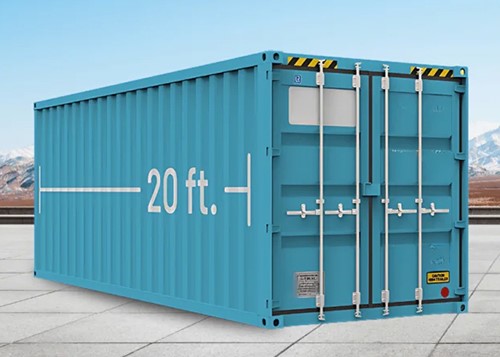
Ideal for compact loads and smaller shipment volumes. Commonly used for a wide range of dry goods.
Dry Containers 40ft
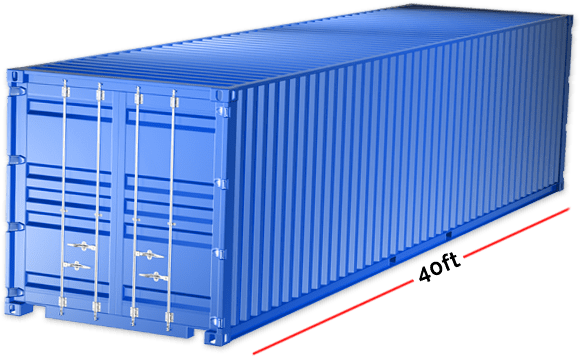
Designed for larger cargo volumes, offering increased capacity while maintaining standard shipping compatibility.
High Cube Containers
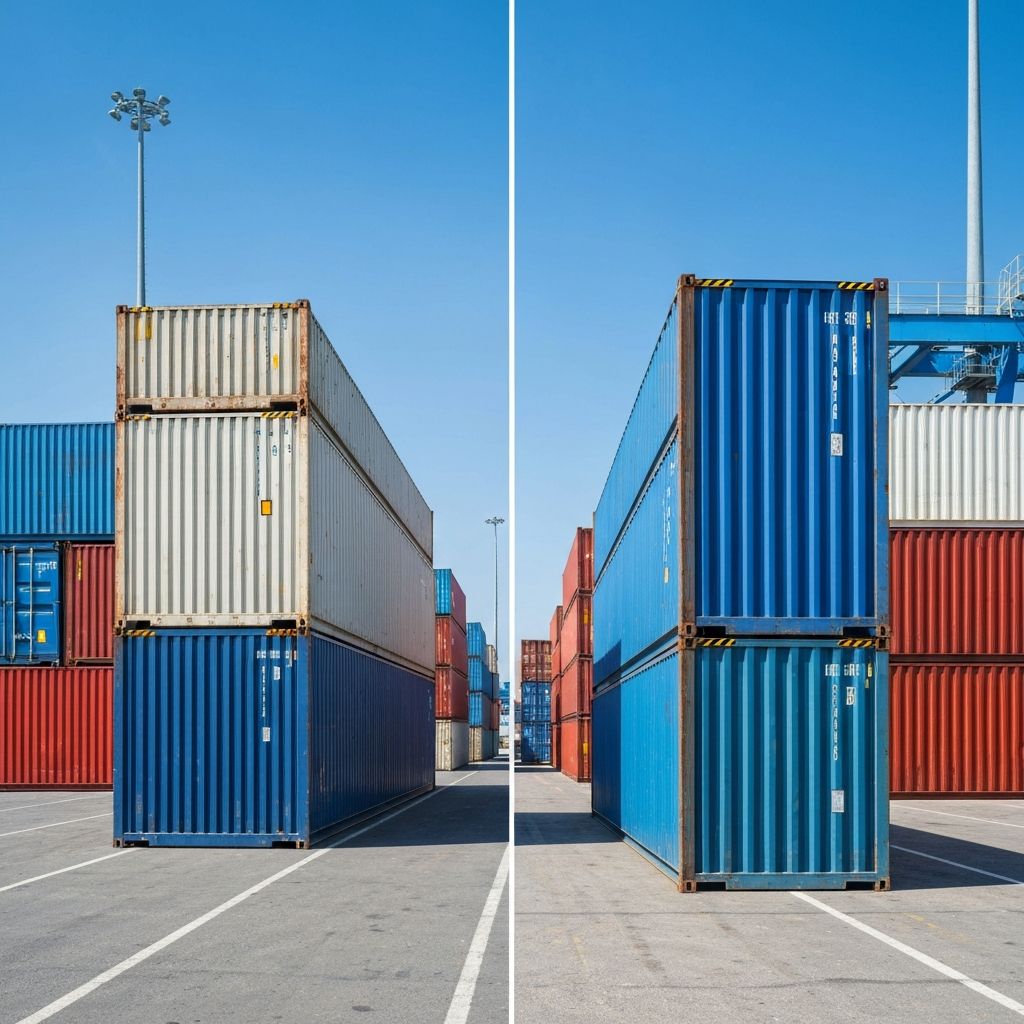
Provide extra height (9'6" vs 8'6") for voluminous cargo.
Reefer Containers
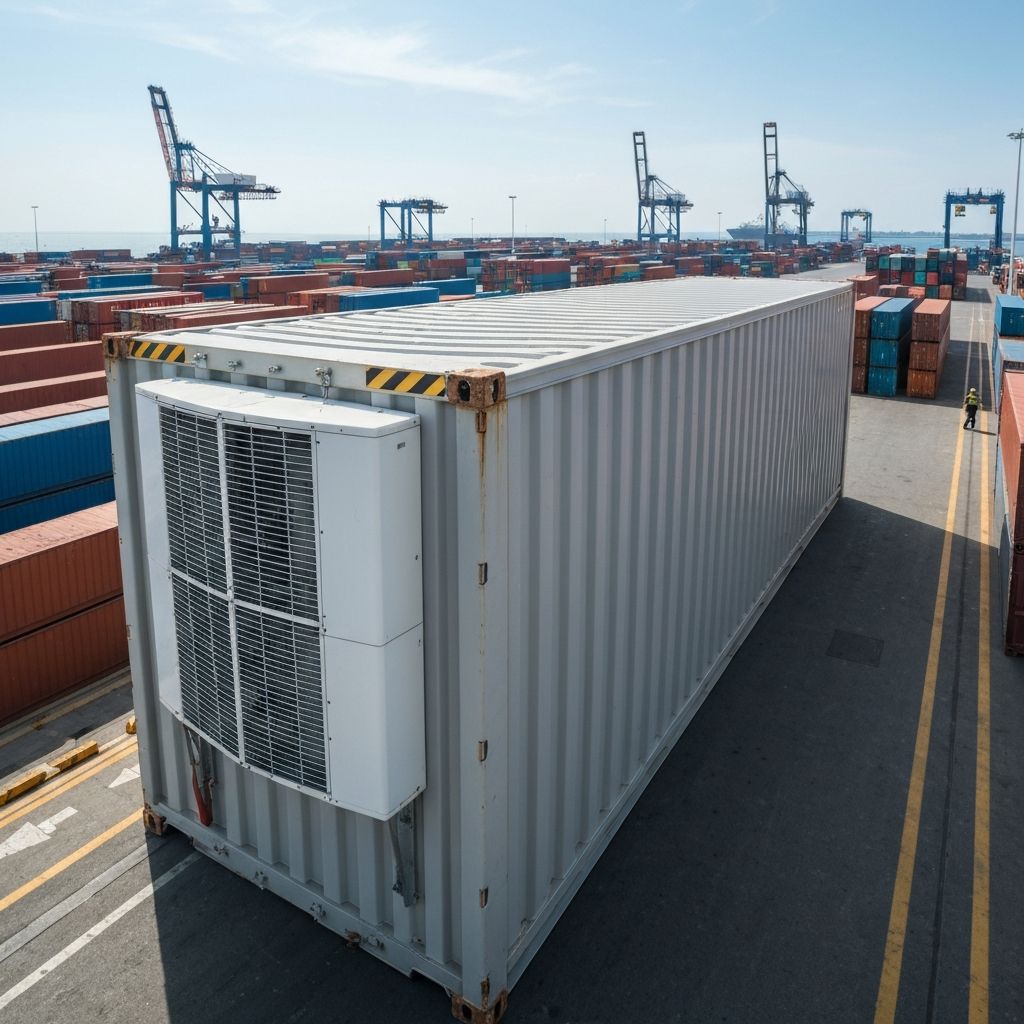
Temperature-controlled containers for perishable goods, pharmaceuticals, and chemicals.
Open Top Containers
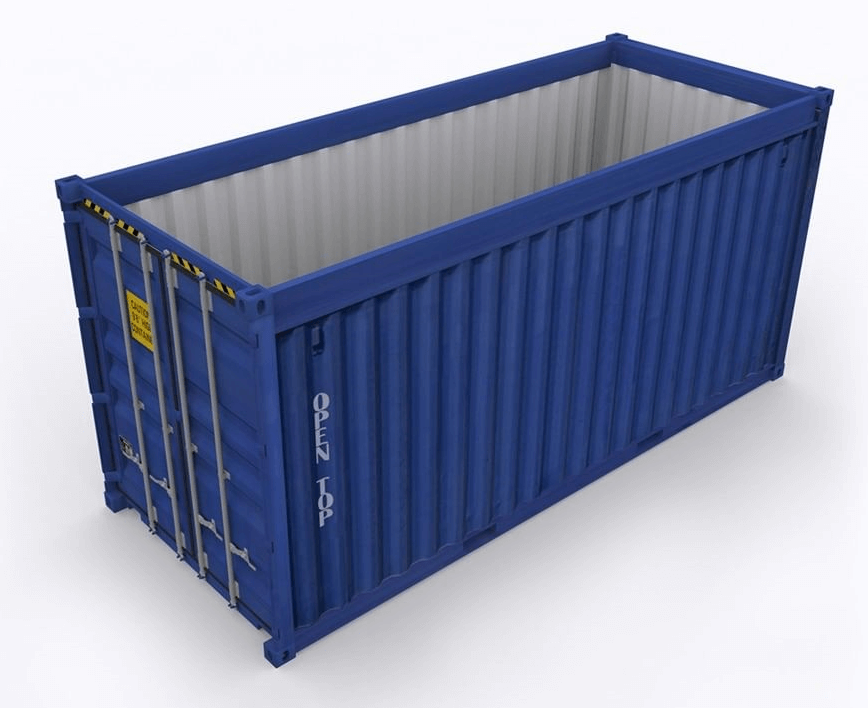
Suitable for oversized or heavy cargo that needs to be loaded from the top.
Flat Rack Containers
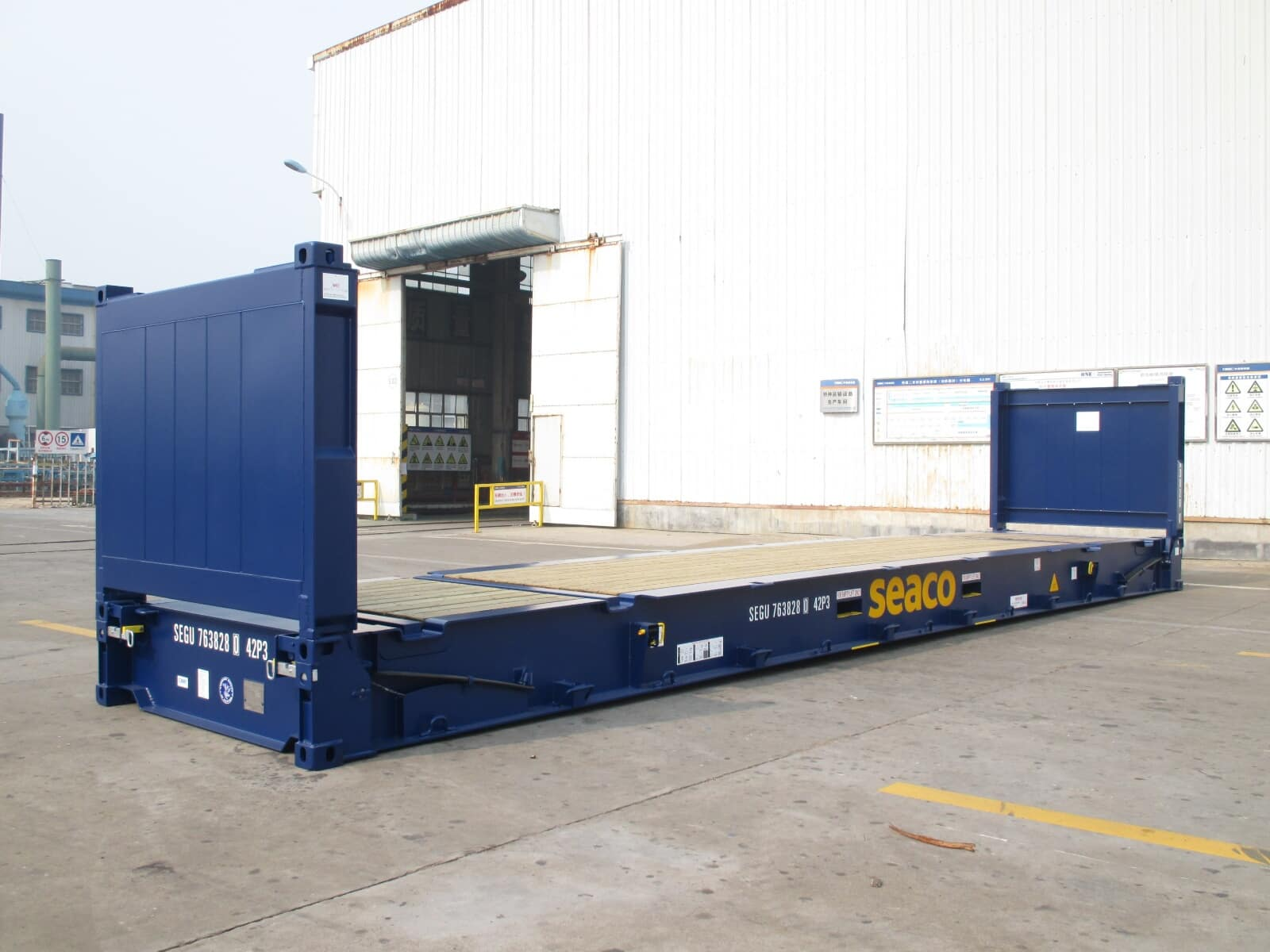
Used for machinery, vehicles, boats, and project cargo.
Tank Containers
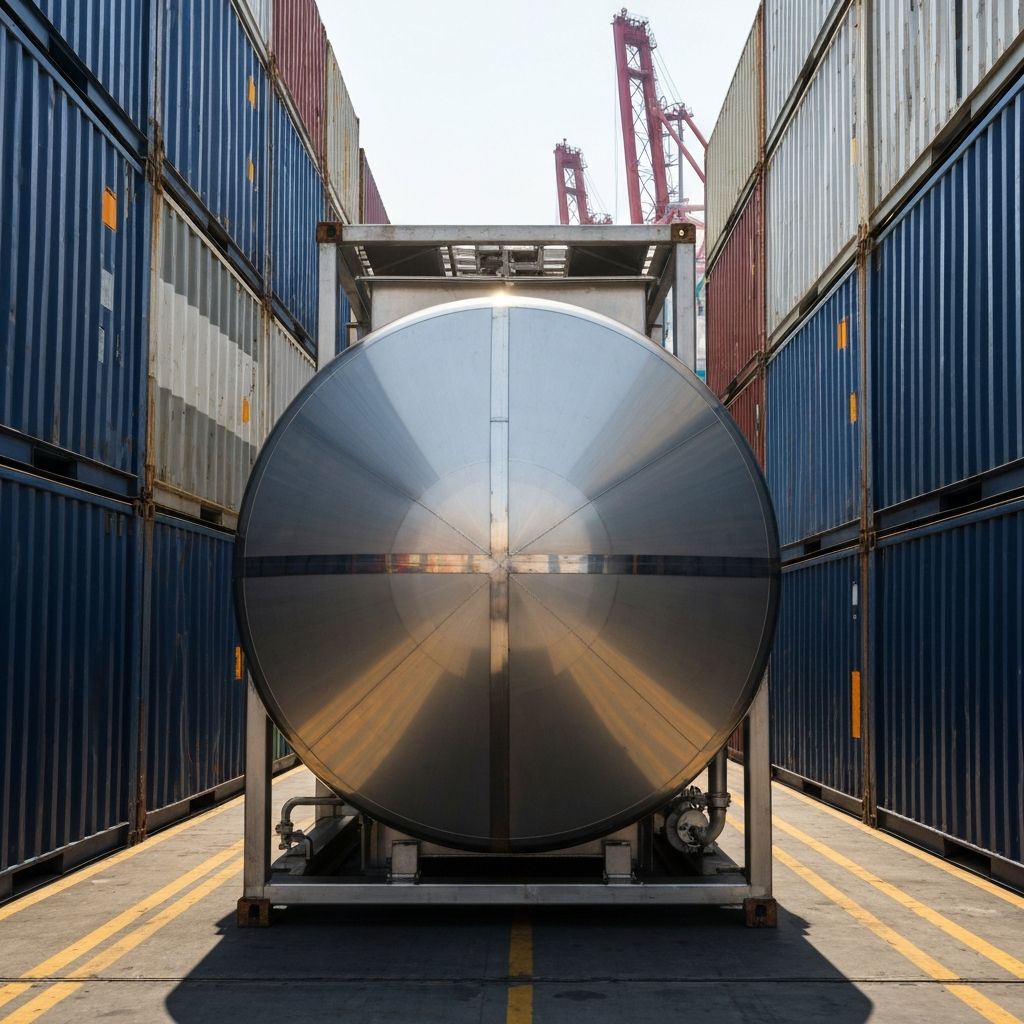
Designed for liquid cargo, chemicals, and food-grade products.
Each container type serves a specific purpose and impacts both pricing and handling requirements.
Chargeable Weight for LCL Shipments
For LCL (Less than Container Load) shipments, cargo from multiple shippers is consolidated into one container. Pricing is based on chargeable weight using the W/M (Weight or Measurement) principle:
1 cubic meter (CBM) = 1,000 kg (1 ton)
The chargeable weight is determined by comparing:
- The actual gross weight (in tons)
- The cargo volume (in cubic meters)
Whichever value is higher becomes the chargeable unit.
Example:
Cargo weight: 800 kg (0.8 tons) Cargo volume: 1.2 CBM
Since 1.2 CBM = 1.2 tons equivalent, the chargeable weight will be 1.2 W/M units.
Why Understanding Ocean Freight Matters
Understanding these concepts helps businesses:
- Choose the right container for their cargo type
- Accurately estimate shipping costs
- Optimize packaging to reduce volumetric charges
- Plan budgets with predictable freight rates
- Avoid unexpected surcharges and fees
Conclusion
Ocean freight remains a cornerstone of global logistics, offering a balance between cost efficiency and capacity. By understanding tarification methods, applicable surcharges, container types, and chargeable weight calculations for LCL shipments, businesses can make informed shipping decisions and better control their transportation expenses.
Partnering with an experienced freight forwarder ensures transparency, optimized routing, and reliable delivery across international trade lanes.